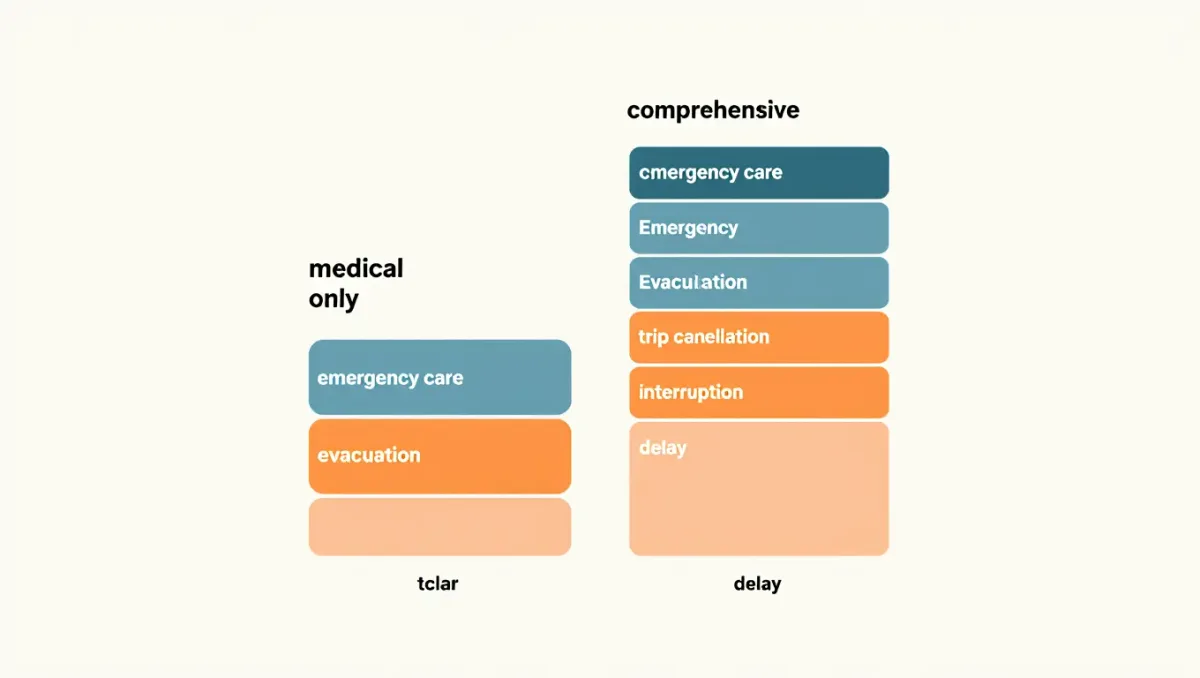
Buy the plan that pays what a bad trip actually costs. Put medical care and evacuation first, then cancellation cover for money already spent. The stakes are real: the State Department puts medical evacuation from abroad above $250,000, as of August 2025. Then check the exclusions. Washington state regulators say to ask about pre-existing conditions and age limits before you buy, as of October 2026.
Coverage rides alongside the rest of the kit, not instead of it. The one-bag packing system keeps the trip simple, and the right policy keeps a medical surprise from wrecking the budget behind it.
This travel insurance guide reads the regulators so you can read the policy. The rest of the series lives in the Guides hub, alongside route and budget walk-throughs.
What Does Travel Insurance Actually Cover?
Washington state's insurance regulator lists the working parts, as of October 2026. They run from trip cancellation and interruption to baggage loss, travel delay, rental car damage, foreign medical cover, and medical evacuation. Cancellation and medical carry most of the value for most trips. The rest are riders worth adding when the plan involves a rental car, a cruise, or costly gear.
Read the definitions, not the brochure. Washington's consumer page puts it plainly, as of October 2026. Review the policy for what is covered and what is excluded before money changes hands.
What Should You Check Before You Buy?
- Step 1: Check home policies first, because the state regulator says existing coverage may already handle part of the loss.
- Step 2: Ask the card issuer about built-in trip protection if the booking runs on a credit card, per the same state guidance.
- Step 3: Confirm the cancellation list, including disease outbreaks, natural disasters, and civil unrest warnings, as of October 2026.
- Step 4: Ask about pre-existing conditions and age limits on coverage, per the regulator's checklist, as of October 2026.
- Step 5: Read the refund ladder, so a partial refund from the airline and a policy payout never double-count the same loss.
The checklist takes ten minutes with the policy document open. Skipping it is how travelers buy coverage that was never built for their trip.
Who Needs the Medical and Evacuation Piece?
Anyone leaving the domestic health network. Medicare does not cover medical bills outside the United States, per Washington regulators, as of October 2026. The State Department is blunt too: the U.S. government does not pay overseas medical bills, as of August 2025. Very few health insurers pay evacuation costs, so this rider is the piece worth paying for. The bill lands on the patient first and follows you home, so the cover should be in place before departure.
Check the hospital clause while you are at it. Some health plans pay only customary and reasonable costs abroad, per the State Department's health guidance, which leaves gaps a travel medical policy fills.
How Do Claims Actually Get Paid?
Claims pay on paperwork, not on sympathy. Carry your insurance card and a claim form abroad, per the State Department, as of August 2025. Keep every receipt from the first delayed bag onward. File quickly. Attach the documents the policy names. When a claim stalls, ask for the answer in writing.
One trap to note: tour operators sell cancellation waivers that look like insurance but are not. Washington's regulator flags that distinction for shoppers, as of October 2026.
Conclusion: Match the Policy to the Trip and the Money at Risk
A useful policy starts with two lists: what the trip has already paid, and what a hospital abroad would charge. Cover the medical gap first. Add cancellation for the prepaid rest. Then check the exclusions against your own health and age. Do that in order, and the policy becomes a tool you actually use. For related coverage, see Getting Medical Care Abroad: How the Payment and Paperwork Mechanics Actually Work.